Material
The Flooring Trend Everyone Is Talking About: Microcement Flooring Malaysia
Jun 5 2026
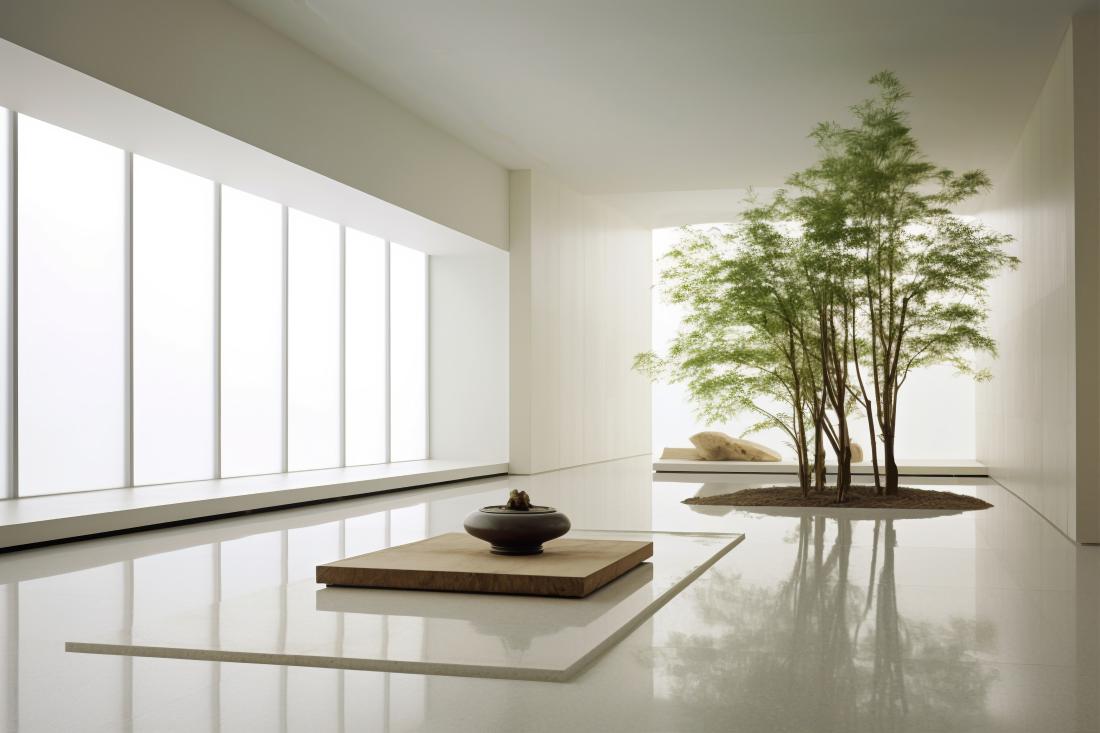
Microcement flooring Malaysia is the hottest interior trend right now. Discover why homeowners and designers can't stop talking about it.
Walk into any newly renovated home or trendy cafe in Kuala Lumpur, and there is a good chance you will notice the same floor — smooth, seamless, and impossibly cool. That floor has a name: microcement flooring. Across Malaysia, homeowners, interior designers, and property developers are making the switch from conventional tiles and timber to this sleek, modern surface, and the reasons are as practical as they are beautiful. Whether you are renovating a condominium in Mont Kiara, a landed home in Petaling Jaya, or a boutique retail space in Bangsar, microcement flooring Malaysia is showing up everywhere — and it is not hard to see why.
Microcement is a polymer-modified coating made from cement, water-based resins, additives, and mineral pigments. It is applied in very thin layers — typically between two and three millimetres thick — directly over existing surfaces like tiles, concrete, plywood, or even walls. The result is a continuous, joint-free finish that looks like polished concrete but behaves far more flexibly.
Unlike traditional cement screed, microcement does not require breaking down existing floors, which makes it a dream for renovation projects where time and budget both matter. The material bonds directly to the substrate, and once sealed, it becomes highly resistant to water, stains, and everyday wear. It is this combination of low disruption, high aesthetics, and long-term durability that has made microcement flooring one of the most searched and requested finishes in the Malaysian interior design scene today.
Social media has certainly played a role in its rise. Scroll through any Malaysian home renovation account on Instagram or TikTok, and you will see microcement floors paired with minimal furniture, warm lighting, and exposed brick — an aesthetic that has proven irresistible to a generation of homeowners who want their spaces to feel like something out of a design magazine.
Walk into any newly renovated home or trendy cafe in Kuala Lumpur, and there is a good chance you will notice the same floor — smooth, seamless, and impossibly cool. That floor has a name: microcement flooring. Across Malaysia, homeowners, interior designers, and property developers are making the switch from conventional tiles and timber to this sleek, modern surface, and the reasons are as practical as they are beautiful. Whether you are renovating a condominium in Mont Kiara, a landed home in Petaling Jaya, or a boutique retail space in Bangsar, microcement flooring Malaysia is showing up everywhere — and it is not hard to see why.
What Is Microcement Flooring, and Why Is Everyone Talking About It?
Microcement is a polymer-modified coating made from cement, water-based resins, additives, and mineral pigments. It is applied in very thin layers — typically between two and three millimetres thick — directly over existing surfaces like tiles, concrete, plywood, or even walls. The result is a continuous, joint-free finish that looks like polished concrete but behaves far more flexibly.
Unlike traditional cement screed, microcement does not require breaking down existing floors, which makes it a dream for renovation projects where time and budget both matter. The material bonds directly to the substrate, and once sealed, it becomes highly resistant to water, stains, and everyday wear. It is this combination of low disruption, high aesthetics, and long-term durability that has made microcement flooring one of the most searched and requested finishes in the Malaysian interior design scene today.
Social media has certainly played a role in its rise. Scroll through any Malaysian home renovation account on Instagram or TikTok, and you will see microcement floors paired with minimal furniture, warm lighting, and exposed brick — an aesthetic that has proven irresistible to a generation of homeowners who want their spaces to feel like something out of a design magazine.
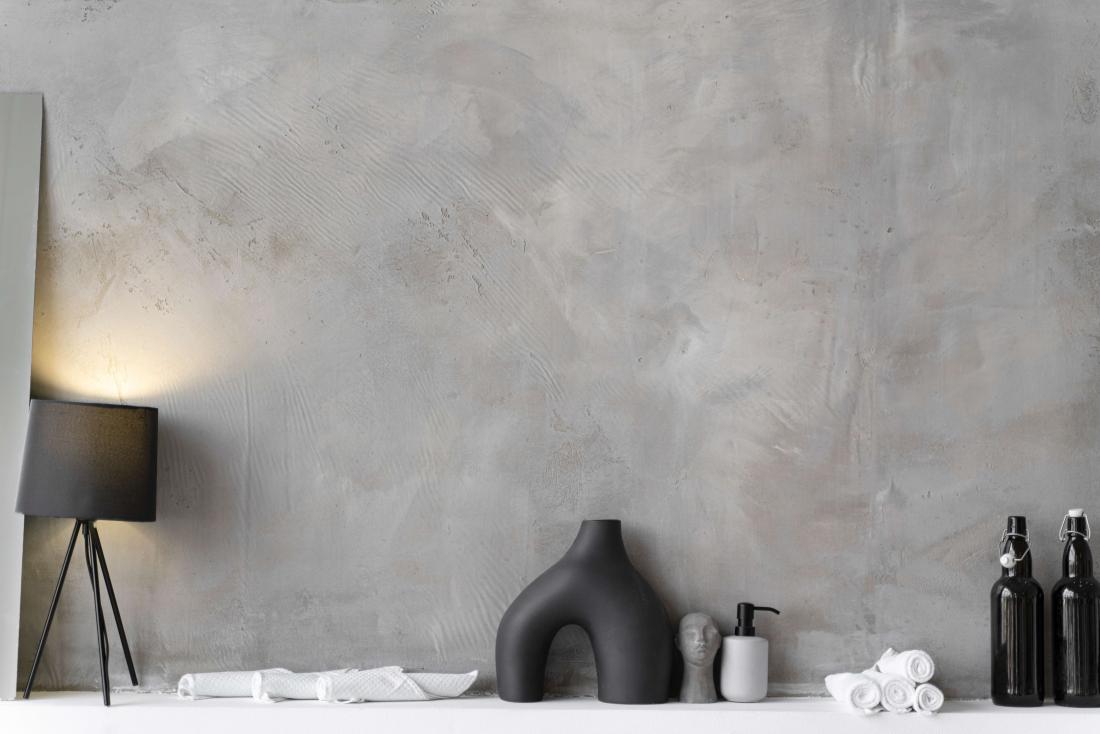
Why Microcement Flooring Malaysia Makes Perfect Sense for Our Climate and Lifestyle
Malaysia's tropical climate brings its own set of challenges for flooring. High humidity, heavy rainfall tracked indoors, and the constant need for easy cleaning are real concerns for local homeowners. This is where microcement flooring genuinely shines — not just as a design statement, but as a practical solution that suits the way Malaysians actually live.
a. Moisture Resistance in a Humid Environment
When microcement is properly sealed with a high-quality polyurethane or epoxy topcoat, it becomes highly resistant to moisture penetration. For Malaysian homes where bathrooms, kitchens, and even open-plan living spaces need to handle humidity on a daily basis, this is a significant advantage. Unlike timber, microcement will not warp or swell. Unlike grout joints in conventional tiles, there are no gaps where moisture, mould, or bacteria can settle — a real concern in our hot, wet climate.
b. Easy Maintenance for Busy Households
Anyone who has spent time scrubbing tile grout will immediately appreciate the appeal of a seamless surface. Microcement floors can be mopped clean in minutes, and because there are no joints or gaps, dirt does not accumulate the way it does with traditional tiling. For families with young children, pet owners, or anyone who simply values a low-maintenance home, the appeal is obvious. A mild, pH-neutral cleaner and a microfibre mop are genuinely all you need to keep microcement looking its best for years.
c. Renovation Without the Demolition Nightmare
For condominium owners in particular — and Malaysia has no shortage of those — hacking away existing tiles is a major headache. Condo management committees often have strict rules about renovation noise and hours. Microcement sidesteps much of this by going directly over existing tiles, reducing demolition work, cutting down on noise, and shortening the renovation timeline considerably. What might take weeks with conventional tiling can sometimes be completed in just a few days with microcement, making it an attractive option for anyone working with tight timelines or strict condo by-laws.
Microcement Floor Design: Endless Creative Possibilities
One of the most exciting things about microcement floor design is just how versatile it is. This is not a material that locks you into a single look. On the contrary, it is one of the most customisable flooring options available today, giving homeowners and designers enormous freedom to express their vision.
a. Colour Palette: Beyond Classic Grey
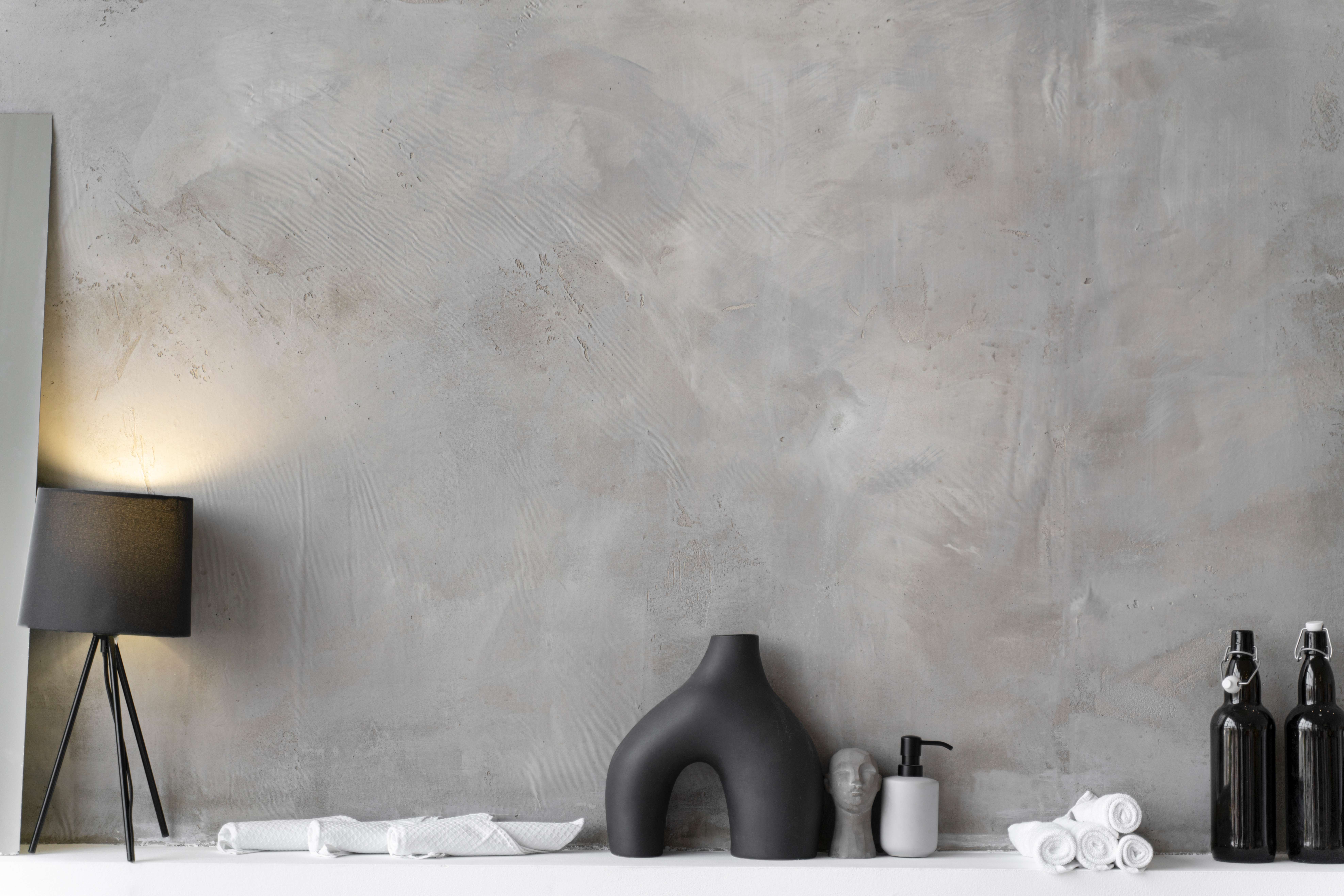
While the cool, industrial grey of polished concrete is the look most people associate with microcement, the material is available in a surprisingly wide range of colours. Warm terracottas and sandy beiges work beautifully in Malaysian homes that lean toward a Japandi or organic minimalist aesthetic. Deep charcoals and anthracites create drama in modern urban apartments. Soft whites and creams open up smaller spaces and reflect natural light. The pigments are mixed into the microcement itself, meaning the colour runs through the material rather than sitting on top — this makes scratches and chips far less noticeable than with painted or surface-coated alternatives.
b. Texture and Finish: From Matte to Polished
Microcement can be finished to achieve very different tactile and visual effects. A fine, smooth finish with a matte sealant creates the understated, gallery-like look that is popular in contemporary Malaysian homes. A slightly coarser texture adds warmth and grip, making it ideal for outdoor areas, bathrooms, or stairs where slip resistance matters. For those who want more drama, a high-gloss seal gives microcement floors a polished, reflective quality that can feel genuinely luxurious. The flexibility to choose texture and finish means the same material can work equally well in a sleek penthouse and a rustic-modern kampung-inspired retreat.
c. From Floors to Walls and Beyond
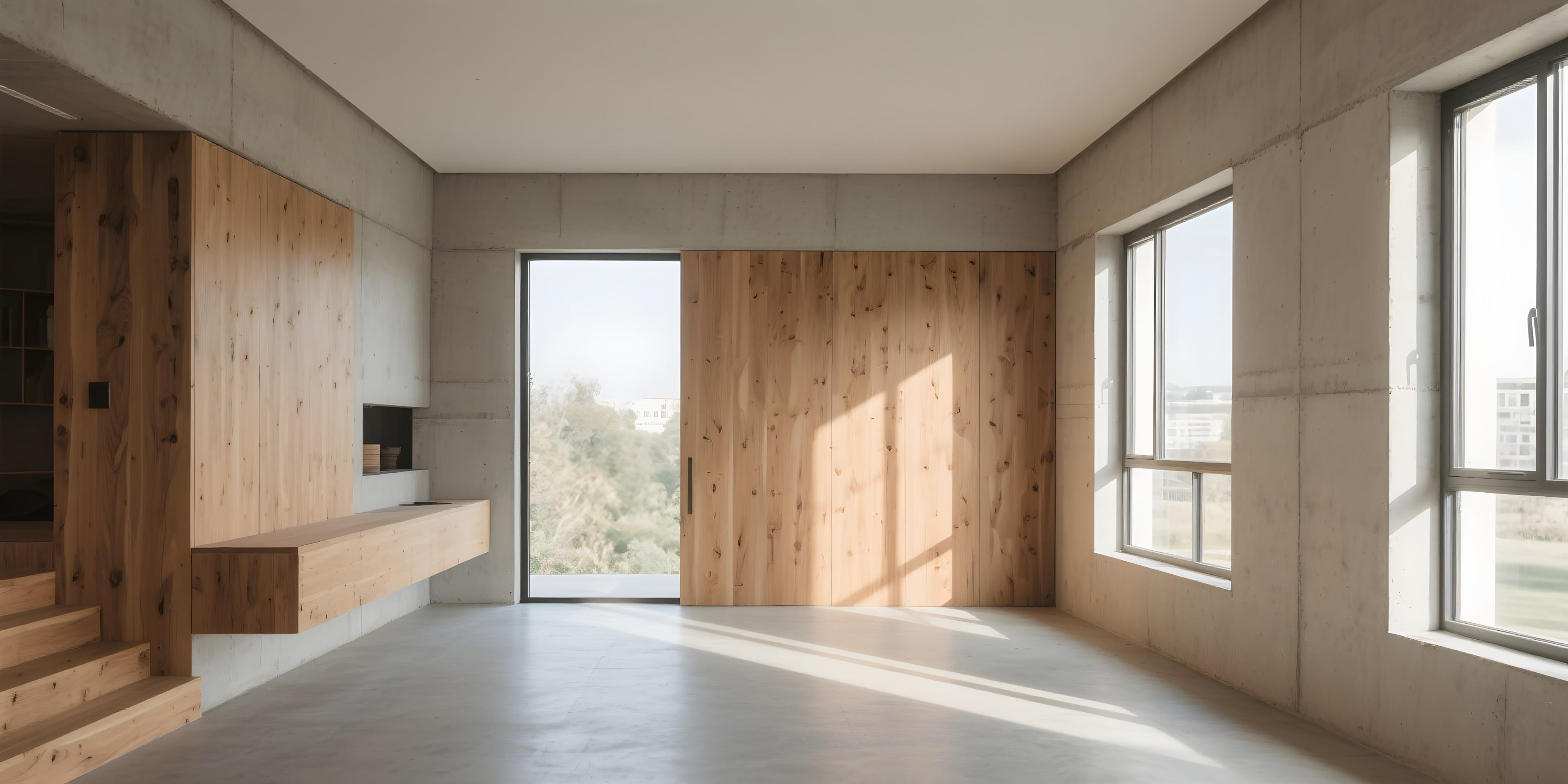
One of the most compelling features of microcement floor design is the ability to extend the same material across multiple surfaces. Running microcement from the floor up onto a feature wall, into the shower recess, or across kitchen countertops creates a seamless, monolithic effect that makes spaces feel larger and more cohesive. Malaysian interior designers have embraced this approach enthusiastically, particularly in compact urban apartments where visual continuity can transform a small space into something that feels genuinely expansive.
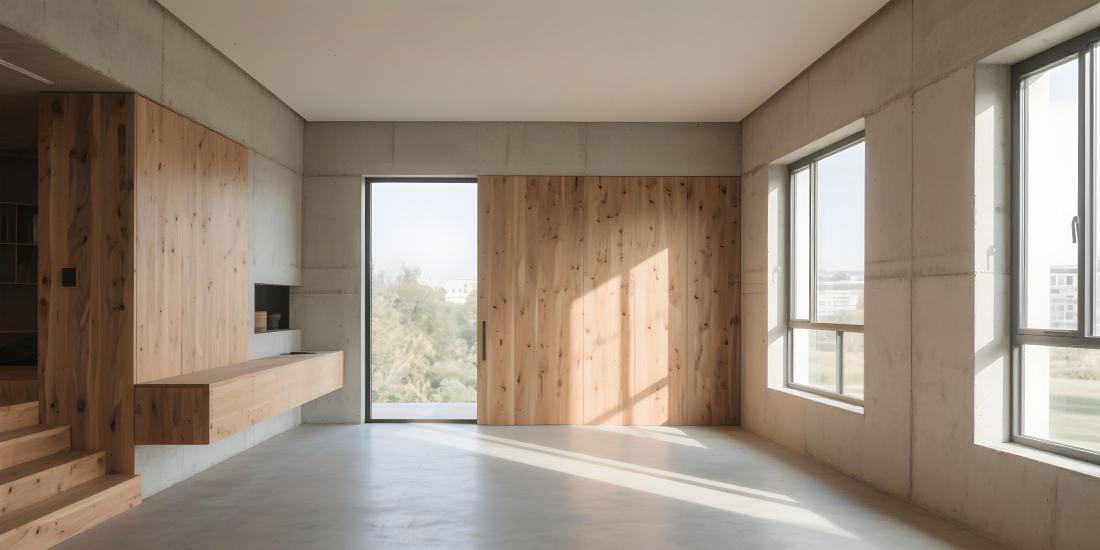
Important Considerations Before Committing to Microcement Flooring Malaysia
For all its appeal, microcement is not without its nuances. Understanding what the material requires — and what it demands of both the installer and the homeowner — is essential before making a decision.
a. The Application Process Is Skilled Work
Microcement is not a DIY material. The application requires multiple layers, careful preparation of the substrate, precise timing between coats, and skilled hand application to achieve an even finish. Cracks, pinholes, and uneven texture are almost always the result of poor installation rather than any flaw in the material itself. In Malaysia, the quality of microcement contractors varies widely, so it is worth doing thorough research, asking to see completed projects, and not simply choosing the cheapest quote. A poorly applied microcement floor will be difficult and expensive to fix.
b. Sealing and Resealing Over Time
Microcement must be sealed to be durable. The sealant is what provides water and stain resistance, and over time — typically every few years depending on foot traffic — it will need to be reapplied. This is not a complicated process, but it is an ongoing maintenance commitment that prospective buyers should be aware of. In high-traffic commercial spaces like cafes, offices, or retail stores, resealing may be required more frequently. In a standard residential home, however, most homeowners find that a single resealing every three to five years is more than sufficient.
Cost vs. Long-Term Value
Microcement flooring in Malaysia typically costs more upfront than standard ceramic or porcelain tiles. However, when you factor in the reduced demolition costs for renovation projects, the time saved during installation, the durability of the finished surface, and the potential uplift in property value that comes with high-end finishes, many homeowners find that microcement represents excellent long-term value. It is also worth noting that a seamless microcement floor can be a genuine selling point in a competitive property market, particularly among younger buyers who are drawn to contemporary, design-forward interiors.
How to Choose the Right Microcement Flooring Contractor in Malaysia
With microcement's rising popularity, the number of contractors offering microcement flooring Malaysia services has grown significantly. This is good news in terms of pricing and availability, but it also means that quality varies considerably. Here is what to look for when making your choice.
First and foremost, ask to see a physical sample of the contractor's work, not just photos. Microcement has a tactile quality that photographs do not capture — the evenness of the surface, the quality of the finish, and the depth of colour are all things you need to assess in person. Reputable contractors will be happy to provide samples and even take you to see completed projects.
Ask specifically about the brand of microcement they use. There are several internationally recognised microcement brands available in Malaysia, and the quality of the base material matters as much as the skill of the applicator. Contractors who use quality materials and take pride in their work will typically be transparent about their product choices.
Finally, clarify the warranty terms. A confident, skilled applicator will stand behind their work with some form of workmanship guarantee. This gives you recourse if problems emerge in the months after installation and is a good indicator of the contractor's confidence in their own abilities.
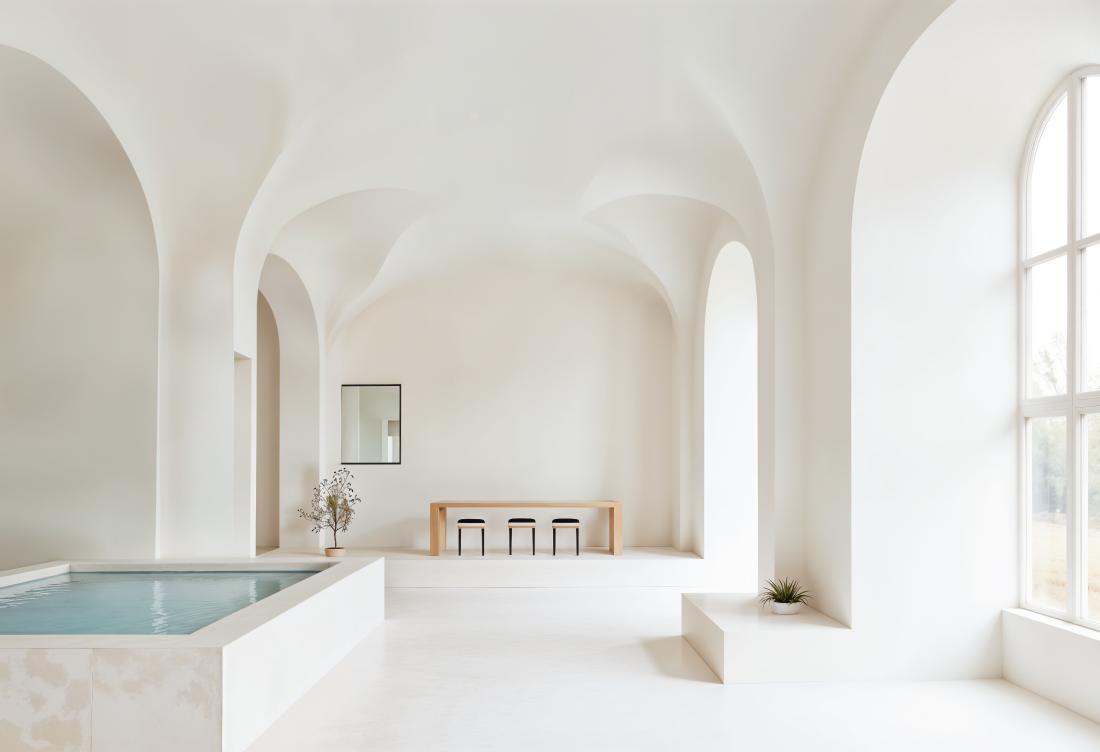
Is Microcement Floor Design Right for Your Malaysian Home?
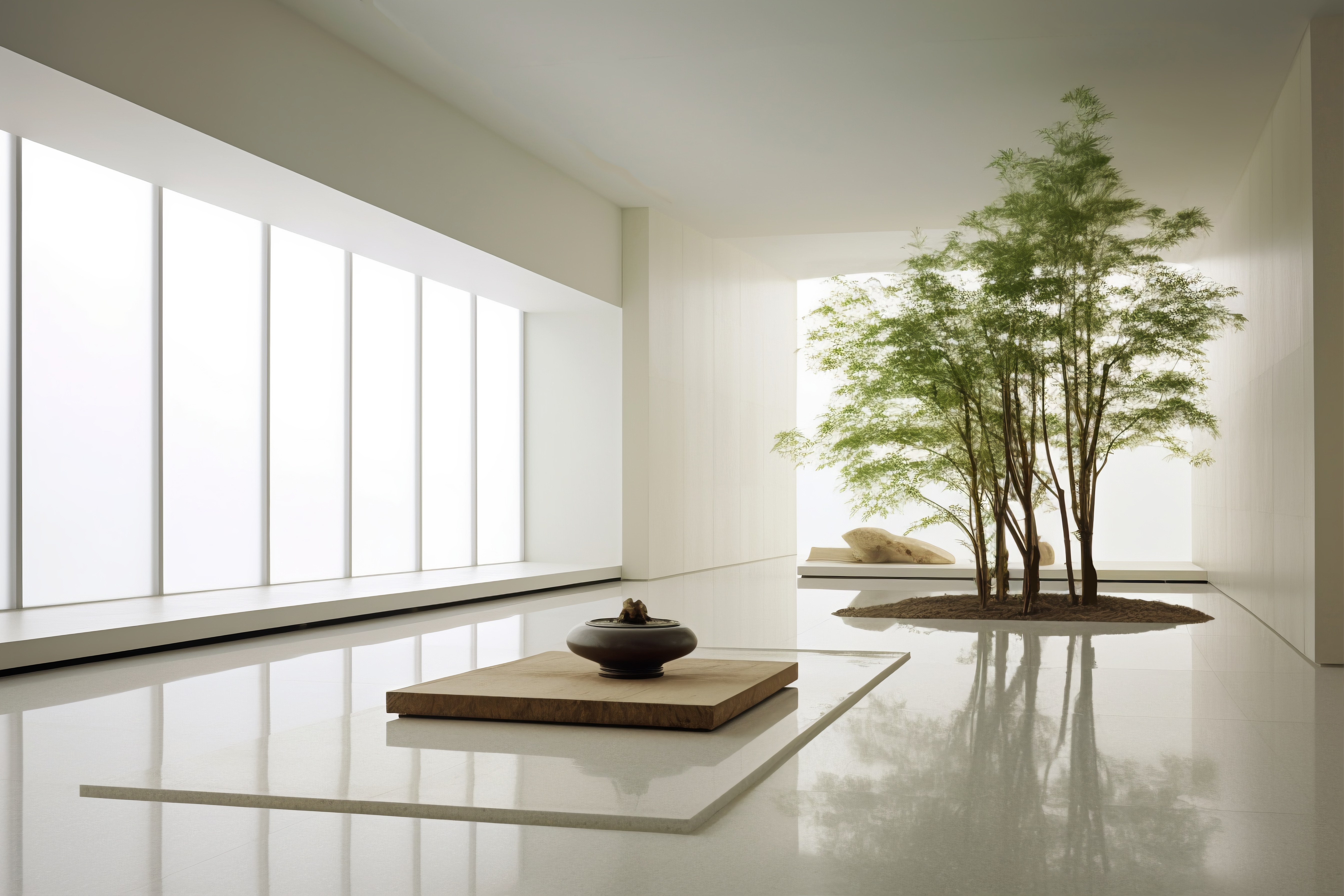
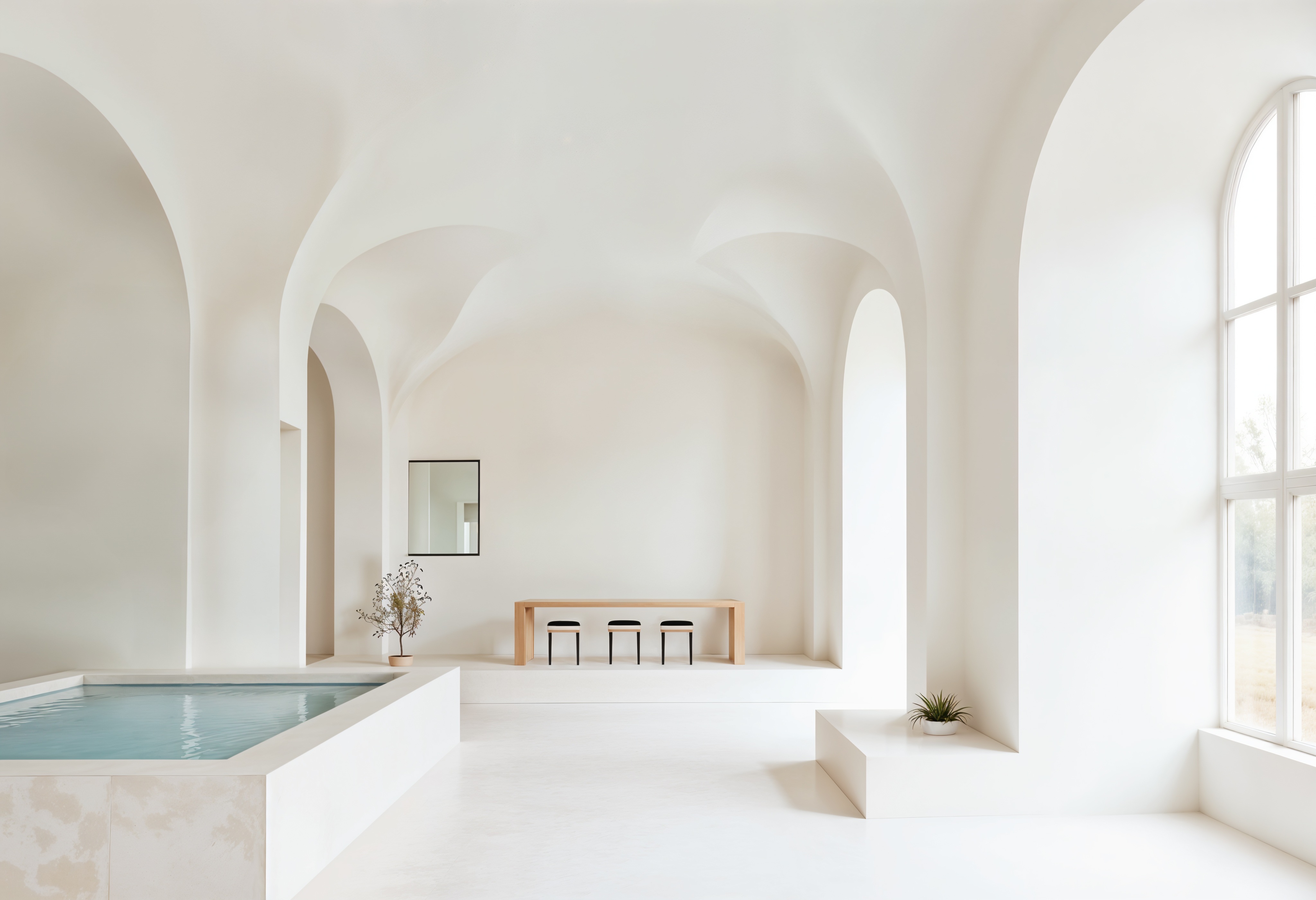
\The honest answer is: it depends on what you value. If you want a flooring solution that is easy to clean, visually striking, highly customisable, and capable of transforming a space from ordinary to architectural, then microcement flooring Malaysia deserves serious consideration. It works beautifully in modern minimalist homes, industrial-inspired spaces, Japandi-style interiors, and even in more eclectic environments where its neutral tones serve as a backdrop for bolder design choices.
If, on the other hand, you are working with a very tight budget, need a floor that is completely hands-off in terms of maintenance, or are uncomfortable with the idea of occasional resealing, then you might want to weigh your options carefully. For most Malaysian homeowners, though, the combination of aesthetics, practicality, and the ability to renovate without demolition makes microcement one of the most compelling flooring choices available right now.
Microcement floor design is not simply a trend. It is a shift in how people think about surfaces — away from busy patterns and visible joints, toward something calmer, more considered, and more enduring. In a country where interior design is evolving rapidly and homeowners are increasingly investing in spaces that reflect their personal taste, microcement is perfectly positioned to remain a favourite for years to come.
Frequently Asked Questions About Microcement Flooring Malaysia
Q1: Can microcement flooring be installed over existing tiles in Malaysian homes?
Yes, and this is one of microcement's biggest advantages for Malaysian homeowners. As long as the existing tiles are structurally sound, firmly bonded to the substrate, and free from major cracks or hollow sections, microcement can be applied directly on top. This eliminates the need for costly and disruptive hacking works, which is particularly valuable in condominiums and apartments where renovation noise restrictions apply. Your contractor should always conduct a thorough substrate assessment before proceeding to ensure a lasting result.
Q2: How long does microcement flooring last in Malaysia's tropical climate?
When correctly applied and properly sealed, microcement flooring can last upwards of ten to fifteen years — and often much longer — even in Malaysia's humid, high-temperature environment. The key factors are the quality of the initial application, the type and quality of sealant used, and the regularity of maintenance. Resealing every three to five years in a residential setting, and more frequently in commercial spaces, will keep the surface looking fresh and ensure its protective properties remain intact. Microcement that has been well maintained genuinely improves with age, developing a subtle patina that many homeowners find even more appealing than the original finish.
Q3: Is microcement flooring slippery, and is it safe for bathrooms?
This is one of the most common questions, and the answer is reassuring. Microcement itself is not inherently slippery — the level of slip resistance depends on the texture of the finish and the type of sealant applied. For wet areas like bathrooms, shower floors, and outdoor spaces, a textured application combined with a matte, anti-slip sealant is the standard recommendation. Many Malaysian homeowners have successfully used microcement in bathroom floors, shower walls, and even poolside areas with excellent results. Always discuss the intended use with your contractor so they can recommend the appropriate finish and sealant for each specific area.